The Naked Truth: Trump's Demands In His Scandalous Epstein Letter Just Dropped!
What happens when the world's most controversial billionaire meets the most polarizing president in modern history? The Jeffrey Epstein scandal has once again thrust Donald Trump into the spotlight, and this time, the revelations are more explosive than ever. With over 5,300 files referencing the former president and new details emerging about his inner circle's connections to the convicted sex offender, the question on everyone's mind is: what does Trump really know, and why is he suddenly pushing for full disclosure?
The Jeffrey Epstein case has been a persistent shadow over American politics for years, but recent document releases have reignited the controversy with unprecedented intensity. As more than a million pages of court documents flood into the public domain, the connections between Epstein and powerful figures—including Donald Trump—are becoming increasingly difficult to ignore. This article delves deep into the latest revelations, examining what the documents reveal, how Trump's position has evolved, and what it all means for his presidency.
Donald Trump: A Brief Biography
Donald John Trump, born on June 14, 1946, in Queens, New York City, is the 45th and current President of the United States, having assumed office on January 20, 2025. Before entering politics, Trump was a businessman and television personality, best known for his real estate empire and hosting The Apprentice.
- Viral Scandal What Theyre Hiding About The Trump Epstein Statue Leak
- Secret Tapes Reveal Trumps Darkest Epstein Secret
- Jeffrey Epsteins Sex Parties Elon Musks Name Found In Leaked Documents
- Reddit Users Expose Oprahs Dark Hangouts With Jeffrey Epstein What Happened Next Is Horrifying
- Banned Jeffrey Epstein Death Photo Reveals Disturbing Secrets You Need To See This
Full Name: Donald John Trump
Date of Birth: June 14, 1946
Place of Birth: Queens, New York City
Education: Wharton School of the University of Pennsylvania (B.S. in Economics)
Political Party: Republican
Spouse: Melania Trump (m. 2005)
Children: Donald Jr., Ivanka, Eric, Tiffany, Barron
Net Worth: Estimated $2.5 billion (2025)
Previous Positions: 45th President of the United States (2017-2021), Businessman, Television Personality
The Document Deluge: 5,300 Files and Counting
The New York Times has uncovered more than 5,300 files containing references to Donald Trump within the massive trove of Jeffrey Epstein documents released in recent months. These files represent a treasure trove of information that investigators and journalists are still sifting through, revealing a complex web of connections between the former president and the convicted sex offender.
The sheer volume of these documents is staggering. Among the millions of pages released, Trump's name appears more than 1,000 times, indicating a significant level of interaction and documentation involving the then-businessman and later president. These references span decades, from Trump's early real estate dealings in New York to his time in the White House.
- Explosive Bombshell Jamie Dimons Epstein Testimony Leaked Sex Trafficking Secrets Uncovered
- Spiritual Guru Or Predator Epstein Emails Expose Deepak Chopras Shocking Connections
- You Wont Believe What Lawrence Summers Did With Jeffrey Epstein New Leaks Reveal All
- Exclusive How Old Was Alicia Arden During Epsteins Parties Leaked Sex Tapes Reveal Disturbing Truth
- Jeffrey Epsteins Girlfriends Leaked Nudes Shocking Sex Scandal Exposed
What makes these documents particularly significant is their diversity. They include everything from flight logs and phone records to personal correspondence and business documents. Some files contain salacious and unverified claims that have circulated in conspiracy circles for years, while others consist of documents that had already been made public through previous investigations. The challenge for investigators is separating credible evidence from rumor and speculation.
Trump's Inner Circle: The Bannon Connection
Perhaps one of the most shocking revelations from the Epstein files concerns Steve Bannon, a top strategist in Trump's presidential campaign and early administration. The documents reveal that Bannon corresponded extensively with Epstein and even conducted an extensive video interview with the convicted sex offender.
This connection raises serious questions about the nature of Bannon's relationship with Epstein and, by extension, Trump's judgment in surrounding himself with individuals who maintained ties to a known criminal. The video interview, in particular, suggests a level of familiarity and access that goes beyond casual acquaintance.
Bannon's role in the Trump administration was pivotal, serving as Chief Strategist and Senior Counselor during the critical early months of the presidency. His close relationship with Epstein, documented through years of correspondence, creates a troubling picture of the circles in which Trump's closest advisors moved. The question becomes: how much did Trump know about these connections, and what, if anything, did he do about them?
The Island Question: Did Trump Visit Epstein's Private Retreat?
One of the most persistent rumors surrounding the Trump-Epstein connection concerns Little Saint James, Epstein's private island in the U.S. Virgin Islands, often referred to as "Orgy Island" or "Pedophile Island" in media reports. The documents have reignited speculation about whether Trump ever visited this notorious location.
While the released files don't provide conclusive evidence of Trump visiting the island, they do contain references to his relationship with Epstein and their social interactions over many years. Flight logs from Epstein's private jet, known as the "Lolita Express," have been scrutinized extensively, with some logs showing Trump's name, though the authenticity and context of these entries remain disputed.
The island question is particularly sensitive because it goes to the heart of the most serious allegations against Epstein and his associates. If Trump did visit the island, it would raise profound questions about his knowledge of Epstein's criminal activities and his potential involvement or complicity. Conversely, if he never visited, it would strengthen his claims of distance from Epstein's most egregious behavior.
New Sexual Assault Claims: What the Documents Reveal
Among the most disturbing aspects of the Epstein files are the new sexual assault claims that have emerged, some of which mention Trump directly. While many of these claims remain unverified and are contested by Trump's legal team, their presence in official documents gives them a degree of credibility that demands serious investigation.
The documents include testimony from multiple women who allege encounters with both Epstein and Trump, describing events that allegedly took place at various locations, including Epstein's properties in New York and Palm Beach. These accounts vary in detail and specificity, but together they paint a picture of a pattern of behavior that, if true, would be deeply troubling.
Trump has vehemently denied all allegations of sexual misconduct, calling them "fake news" and politically motivated attacks. His legal team has been aggressive in challenging the credibility of accusers and seeking to have related lawsuits dismissed. However, the sheer volume of claims and the consistency of certain details across multiple accounts have kept these allegations in the public eye.
The Police Call Controversy: Fact or Fiction?
Another persistent question that has resurfaced with the document release is whether Trump ever called the police on Jeffrey Epstein. This claim, if true, would suggest that Trump had knowledge of Epstein's criminal activities long before they became public and took action to report them.
The documents contain references to this alleged incident, though the details are murky and contested. Some accounts suggest that Trump made the call in the early 2000s, after becoming aware of Epstein's inappropriate behavior toward young women. Others claim the call never happened or that its circumstances were different from what has been reported.
This controversy matters because it speaks to Trump's awareness of Epstein's activities and his response to that knowledge. If Trump did report Epstein to authorities, it would demonstrate a willingness to take action against his former associate. If he did not, or if he actively covered for Epstein, it would suggest complicity in concealing criminal behavior.
The Evolution of Trump's Messaging
Since taking office for his second term, Trump's messaging regarding the Epstein scandal has undergone a noticeable evolution. Initially resistant to the release of Epstein documents, Trump has now positioned himself as a champion of transparency, calling for the full disclosure of all relevant files.
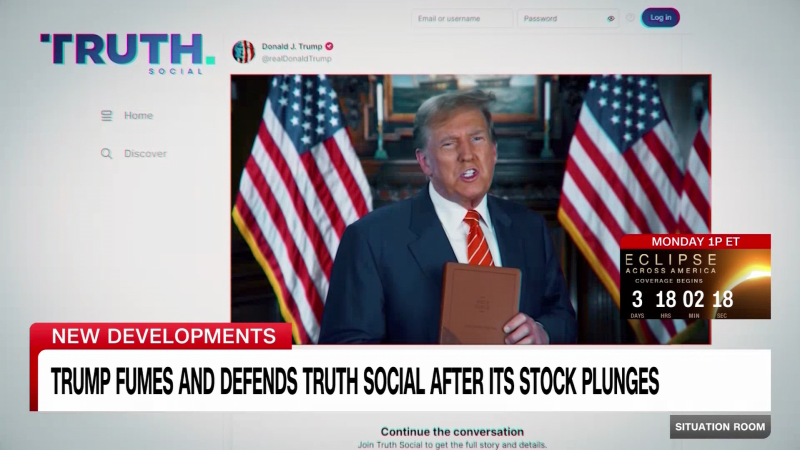
This shift in position appears strategic. By advocating for the release of documents, Trump aims to demonstrate that he has nothing to hide and is willing to let the chips fall where they may. His posts on Truth Social, his social media platform, emphasize this new stance, portraying him as a victim of political persecution who is eager to clear his name.
The timing of this messaging shift is significant. As more documents are released and new allegations surface, Trump seems to have calculated that embracing transparency is his best defense. By controlling the narrative and framing himself as open and cooperative, he hopes to neutralize the scandal's impact on his presidency.
The Political Consequences: Very Real and Far-Reaching
While there is no suggestion of criminal wrongdoing by Trump in the Epstein documents, the political consequences of the scandal are very real and far-reaching. The association with Epstein, even if tangential, tarnishes Trump's image and provides ammunition to his political opponents.
The scandal has energized Trump's critics and given new life to investigations that had previously stalled. Congressional committees have announced plans to examine the documents more closely, and some lawmakers are calling for renewed scrutiny of Trump's connections to Epstein and other controversial figures.
For Trump's base, the scandal appears to have had limited impact. His core supporters remain loyal, viewing the allegations as politically motivated attacks designed to undermine his presidency. However, for undecided voters and moderate Republicans, the Epstein connection remains a liability that could affect Trump's political future.
Why Is Trump Now Backing the Release of Epstein Files?
The question of why Trump has reversed his position on the Epstein documents is central to understanding his current strategy. According to his posts on Truth Social, the US leader now wants to show he has nothing to hide, positioning himself as a victim of a politically motivated witch hunt.
This explanation, while plausible, may not tell the whole story. Political strategists suggest that Trump's reversal could be motivated by several factors. First, by advocating for transparency, he can control the timing and narrative around document releases, potentially limiting damage by releasing information on his own terms.
Second, the sheer volume of documents makes it likely that any damaging information will be buried in a sea of irrelevant material. By calling for full disclosure, Trump increases the chances that incriminating details will be overlooked or lost in the noise.
Finally, Trump's base has shown remarkable resilience in the face of scandal, and his confrontational stance toward the establishment plays well with his core supporters. By positioning himself as a truth-seeker under attack, he reinforces his image as an outsider fighting against a corrupt system.
The Latest Tranche: New Details Emerge
The most recent release of Epstein documents has revealed new details about the extent to which key members of President Donald Trump's inner circle were interacting with Jeffrey Epstein for years after he was convicted of sex crimes in 2008. These interactions continued well into Trump's presidency, raising questions about judgment and potential conflicts of interest.
The documents show that several Trump administration officials maintained contact with Epstein through various channels, including email, phone, and in-person meetings. While many of these interactions appear to be related to legitimate business or philanthropic activities, the timing and frequency of the contacts have raised eyebrows among ethics experts.
Particularly concerning are documents suggesting that some Trump advisors may have sought Epstein's input on policy matters or used his connections to advance administration goals. While there's no evidence that Trump himself was directly involved in these interactions, the actions of his close associates reflect on his leadership and decision-making.
What Has Trump Said About It?
Trump's public statements about the Epstein scandal have been carefully calibrated to distance himself from the convicted sex offender while acknowledging their past social relationship. In various interviews and social media posts, Trump has described Epstein as a "fixture" in Palm Beach society whom he knew but with whom he had limited contact.
Trump has emphasized that he had a "falling out" with Epstein over fifteen years ago and that he was "not a fan" of the financier. He has pointed to his alleged role in reporting Epstein to authorities as evidence of his opposition to Epstein's behavior, though the details of this claim remain unclear.
More recently, Trump has adopted a more aggressive stance, portraying the Epstein investigation as a politically motivated attack designed to damage his presidency. He has called for investigations into how the documents were released and has suggested that the timing of the revelations is intended to influence upcoming elections.
The Thorn in Trump's Side: Months of Controversy
The controversy around Jeffrey Epstein has been a persistent thorn in the side of Donald Trump's second presidency for months, refusing to fade from public attention despite various attempts to change the subject. The scandal has proven remarkably resilient, with new revelations emerging regularly to keep it in the headlines.
This persistence is partly due to the nature of the allegations and the high-profile individuals involved. Epstein's connections to powerful figures across politics, business, and entertainment ensure that any new information has broad public interest. Additionally, the serious nature of the crimes Epstein was accused of—child sex trafficking and abuse—guarantees intense media scrutiny.
For Trump, the scandal represents a significant distraction from his policy agenda and a constant source of negative press. Every new document release or allegation requires a response, consuming valuable time and political capital. The controversy has also complicated Trump's relationships with other world leaders, some of whom have their own connections to Epstein that they prefer to keep private.
The Truth Social Strategy: Controlling the Narrative
Trump's use of Truth Social to address the Epstein controversy represents a deliberate strategy to control the narrative around the scandal. By communicating directly with his followers through his own platform, Trump can bypass traditional media filters and present his version of events unfiltered.
This approach has several advantages. First, it allows Trump to respond quickly to new developments, often within hours of a document release or news story. Second, it enables him to speak directly to his base, reinforcing his messaging and maintaining support even in the face of negative coverage.
However, this strategy also has limitations. While it may be effective with Trump's core supporters, it does little to reach undecided voters or moderate Republicans who may be more skeptical of his claims. Additionally, the platform's limited reach compared to mainstream social media means that Trump's messaging may not penetrate beyond his existing base.
The Legal Landscape: Investigations and Implications
The release of the Epstein documents has significant legal implications, both for Trump and for others mentioned in the files. While Trump himself is not currently facing criminal charges related to the Epstein case, the documents could potentially be used as evidence in civil lawsuits or future investigations.
Several women who have accused Trump of sexual misconduct have indicated that they may use the Epstein documents to support their claims. The documents could potentially corroborate aspects of their testimony or reveal patterns of behavior that strengthen their cases.
Additionally, the documents may prompt new investigations into Trump's business dealings and associations. Prosecutors and congressional investigators are likely to scrutinize the files for any evidence of financial crimes, perjury, or other wrongdoing that could form the basis for legal action.
The International Dimension: Global Implications
The Epstein scandal has international dimensions that extend beyond US borders, and Trump's involvement has global implications. Epstein's connections spanned multiple countries, and the documents released include references to international figures and transactions.
For Trump's foreign policy, the scandal creates complications with allies who may have their own Epstein connections. Some world leaders have reportedly expressed concern about what the documents might reveal about their own relationships with Epstein and how that could affect their ties to the Trump administration.
The international dimension also raises questions about potential foreign intelligence operations. Some analysts have speculated that Epstein may have been involved in blackmail schemes targeting powerful individuals, and the documents could potentially reveal evidence of such activities.
Conclusion: The Naked Truth About Trump and Epstein
The Jeffrey Epstein scandal continues to cast a long shadow over Donald Trump's presidency, with new revelations emerging regularly to keep the controversy alive. While the documents released so far don't provide conclusive evidence of Trump's involvement in Epstein's crimes, they do reveal a complex web of connections that raise serious questions about judgment and associations.
Trump's evolving response to the scandal—from initial resistance to full-throated support for transparency—reflects a calculated political strategy designed to control the narrative and limit damage. Whether this approach will ultimately succeed remains to be seen, but one thing is clear: the Epstein documents have become a defining issue of Trump's second term, shaping public perception and influencing political dynamics in profound ways.
As more documents are released and investigations continue, the full extent of Trump's connections to Epstein may never be known. However, the political and personal costs of these associations are already evident, serving as a reminder of the complex and often troubling relationships that characterize the highest levels of power and influence in American society.