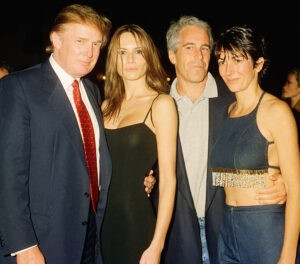
Ken Starr's Nude Photos With Epstein? The Scandal They Buried For Years
What really happened between former Baylor University President Ken Starr and convicted sex offender Jeffrey Epstein? The recent release of thousands of documents by the House Oversight Committee has reignited questions about one of the most troubling connections in the Epstein scandal. When prominent figures like Starr, who once led the investigation into President Bill Clinton, become entangled with a notorious pedophile, it raises serious questions about power, privilege, and justice in America.
The relationship between Kenneth Starr and Jeffrey Epstein spans nearly two decades, from their initial professional connection to Starr's controversial role on Epstein's defense team. These newly released documents paint a disturbing picture of how Epstein managed to infiltrate elite academic institutions and secure extraordinary legal protection from high-profile attorneys. But perhaps most troubling is how Starr continued to maintain a friendly relationship with Epstein even after his conviction, raising questions about accountability and the special treatment afforded to wealthy predators.
Kenneth Starr: A Biography
Kenneth Winston Starr, born in 1946 in Vernon, Texas, built a distinguished legal career that would eventually lead him to the center of two of the most controversial investigations in modern American history. Starr served as a federal judge, Solicitor General of the United States, and President of Baylor University from 2010 to 2016.
- Epsteins Island Secret Address Revealed Where Nude Parties And Trafficking Happened
- The Shocking Truth About Jeffrey Epstein Naked Leaked Footage Changes Everything
- Jeffrey Epsteins Death Date Leaked Shocking Sex Tape Surfaces From Jail Night
- Epsteins Parents Nude Photo Scandal The Dark Truth They Buried
- Leaked Jeffrey Epsteins Final Video What It Shows Is Absolutely Horrifying
Personal Details and Bio Data:
| Category | Details |
|---|---|
| Full Name | Kenneth Winston Starr |
| Born | July 21, 1946, Vernon, Texas |
| Died | September 13, 2022, Houston, Texas |
| Education | B.A. and J.D. from Duke University |
| Notable Positions | Baylor University President (2010-2016), Solicitor General (1989-1993), Independent Counsel (1994-1999) |
| Most Famous For | Whitewater investigation leading to Clinton impeachment proceedings |
| Controversial Role | Member of Jeffrey Epstein's defense team (2007-2008) |
Starr's career was marked by both achievement and controversy. His investigation into President Clinton's affair with Monica Lewinsky led to Clinton's impeachment by the House of Representatives in 1998, though Clinton was later acquitted by the Senate. Starr's legal philosophy and approach to investigations would later come under scrutiny when his own connections to Jeffrey Epstein came to light.
The Baylor Connection: Rolling Out the Red Carpet
While serving as President of Baylor University, Kenneth Starr arranged for Jeffrey Epstein to visit the Waco campus and reportedly "rolled out the red carpet" for the financier. This relationship raises serious questions about how Epstein cultivated connections with academic institutions and the extent to which university leaders were willing to accommodate his presence despite his criminal history.
- Spiritual Guru Or Predator Epstein Emails Expose Deepak Chopras Shocking Connections
- What Epsteins Victims Never Told You The Leaked Confessions That Will Make You Sick
- Leaked Nude Tapes Expose Epsteins Horrific Sex Trafficking Ring
- What Year Was Jeffrey Epstein First Arrested The Answer Will Shock You
- Unbelievable Evidence How This Hidden Statue Links Trump To Epsteins Leaked Crimes
The documents released by the House Oversight Committee reveal that Starr maintained an email relationship with Epstein during his time at Baylor, exchanging messages that suggest a level of familiarity and friendship that extended well beyond professional courtesy. These communications occurred even as Epstein was on the sex offender registry following his 2008 conviction.
Baylor University, as one of Texas's most prominent private Christian universities, represents exactly the type of institution Epstein sought to infiltrate. His strategy of cultivating relationships with university presidents, professors, and other academic leaders provided him with credibility and access to young people that he could exploit. The fact that Starr, as a university president, would welcome Epstein onto campus demonstrates how effectively Epstein manipulated the trust and authority of institutional leaders.
The Defense Team Connection: A Sweetheart Deal
In 2007, Starr joined Jeffrey Epstein's high-powered defense team, which would go on to negotiate what has become known as the "notorious sweetheart deal." This agreement allowed Epstein to plead guilty to state charges in Florida while federal prosecutors agreed to drop their case, effectively shielding Epstein from more serious federal prosecution and potential life imprisonment.
The deal was extraordinary in its scope and leniency. Epstein received a 13-month sentence that allowed him to leave jail for 12 hours a day, six days a week to work at his office. He was also required to register as a sex offender, but the agreement included provisions that prevented victims from learning about the deal until after it was finalized.
Starr's involvement in this defense team represents a significant ethical compromise for someone who had previously positioned himself as a moral crusader during the Clinton investigation. The documents show that Starr not only provided legal counsel but also remained a friend and advisor to Epstein long after the plea deal was finalized, often counseling him and his associates on how to handle sexual misconduct allegations.
The Email Trail: Friendly Messages and Forceful Advocacy
Newly released emails between Starr and Epstein reveal a relationship characterized by friendly correspondence and professional advocacy. These communications, which span several years, show Starr exchanging messages with Epstein and even writing forceful advocacy to prosecutors on his behalf.
The emails demonstrate that Starr was not merely a passive member of Epstein's legal team but an active participant in efforts to minimize Epstein's legal exposure and public scrutiny. His communications with prosecutors were described as "forceful advocacy," suggesting that he used his considerable legal reputation and connections to influence the handling of Epstein's case.
This email relationship continued even as Epstein's crimes became more widely known and documented. The persistence of their friendly communications raises serious questions about Starr's judgment and the extent to which he was willing to overlook Epstein's predation of young women and girls in exchange for professional fees and social connections.
The 95,000 Image Archive: A Mountain of Evidence
The documents released by the House Oversight Committee included approximately 95,000 images from the Epstein estate, sourced from Epstein's email account and computer. This massive archive represents an unprecedented collection of evidence related to Epstein's crimes and his extensive network of influential associates.
Among these images were nude photos, bank account information, and social security numbers, all appearing in full view within the documents. The sheer volume and sensitive nature of this material highlight the scale of Epstein's operations and the extent of his documentation of his own crimes.
The release of these images was part of the Justice Department's effort to comply with the Epstein Records Collection Act, a law intended to preserve important privacy while making investigative files available to the public. However, the accidental exposure of victims' identifying information in these documents has raised new concerns about privacy and the handling of sensitive evidence.
Connections to Political Elite: Trump and Beyond
The documents revealed statements by Epstein claiming that President Donald Trump knew about "the girls" and spent hours at his house. While the veracity of these claims remains unverified, they represent another troubling connection between Epstein and powerful political figures.
Epstein's ability to cultivate relationships with presidents, prime ministers, and other world leaders was a key component of his strategy for maintaining influence and avoiding accountability. His connections to political elites provided him with protection, credibility, and access that he used to further his criminal enterprises.
The documents also revealed that Epstein had connections to other prominent figures in finance, academia, and media, demonstrating how thoroughly he had embedded himself in elite circles across multiple sectors of American society. This widespread network of influential associates made it possible for Epstein to operate with relative impunity for years.
The Death Row Advocacy: A Pattern of Controversial Representation
The documents show that Starr's legal work has included appealing for clemency for death row inmates in 2005 and 2006, as well as defending Epstein in 2007. This pattern of representing controversial clients raises questions about Starr's legal philosophy and his willingness to advocate for individuals accused of serious crimes.
Starr's work on behalf of death row inmates represents a more traditional form of criminal defense, focused on ensuring fair trials and appropriate sentencing. However, his defense of Epstein represents a different category of legal representation, one that involved protecting a wealthy sex offender from the full consequences of his crimes.
The contrast between these two types of representation highlights the complex nature of criminal defense work and the ethical challenges faced by attorneys who represent clients accused of serious crimes. Starr's willingness to take on both types of cases suggests a legal philosophy that prioritizes vigorous advocacy regardless of the client's background or the nature of the charges.
The 2008 Florida Plea Deal: A Documented Failure of Justice
The 2008 Florida plea deal that Starr helped negotiate for Epstein has become a symbol of the special treatment afforded to wealthy sex offenders. Julie K. Brown's reporting in the Miami Herald, which identified 80 potential victims of Epstein's sex trafficking operation, brought renewed attention to the inadequacy of this agreement.
Brown's investigation revealed that federal prosecutors had initially built a strong case against Epstein that could have resulted in life sentences for his crimes. However, the plea deal allowed Epstein to plead guilty to state charges while federal prosecutors agreed to drop their case, effectively shielding him from the most serious consequences of his actions.
The deal also included provisions that prevented victims from learning about the agreement until after it was finalized, denying them the opportunity to oppose it in court. This aspect of the agreement was later found to be illegal, leading to a federal judge ruling in 2019 that the deal was unlawful and that prosecutors had violated the Crime Victims' Rights Act.
The Death of Epstein and Continuing Questions
Jeffrey Epstein died by suicide in his jail cell in August 2019 while awaiting trial on new federal sex trafficking charges. His death, which occurred under suspicious circumstances, prevented the full exposure of his crimes and the prosecution of his co-conspirators.
Starr remained friends with Epstein until his death, continuing to counsel him and his associates on how to handle sexual misconduct allegations. This ongoing relationship, maintained even after Epstein's 2008 conviction, raises serious questions about Starr's judgment and the extent to which he was willing to overlook Epstein's crimes in exchange for professional fees and social connections.
The death of Epstein has not ended the investigation into his crimes or his network of associates. The release of these documents represents an ongoing effort to understand the full scope of Epstein's operations and to hold accountable those who enabled his crimes or participated in his sex trafficking ring.
Conclusion
The newly released documents paint a disturbing picture of how Jeffrey Epstein managed to cultivate relationships with prominent figures like Kenneth Starr and use those connections to avoid accountability for his crimes. Starr's role in Epstein's defense team, his continued friendship with the convicted sex offender, and his advocacy on Epstein's behalf represent a significant ethical failure for someone who had previously positioned himself as a moral authority.
The documents also reveal the extent to which Epstein embedded himself in elite circles across academia, politics, finance, and media. His ability to cultivate relationships with university presidents, politicians, and other influential figures provided him with the protection and credibility he needed to operate his sex trafficking ring for years.
As more documents are released and investigations continue, the full scope of Epstein's crimes and his network of associates may finally come to light. The involvement of figures like Kenneth Starr in Epstein's defense and the special treatment he received from the justice system highlight the need for reform in how wealthy sex offenders are prosecuted and the importance of holding accountable those who enable or participate in sexual exploitation.
The scandal surrounding Ken Starr and Jeffrey Epstein represents not just a personal failure but a systemic one, revealing how wealth, power, and influence can be used to subvert justice and protect sexual predators. As we continue to grapple with the revelations in these documents, we must ask ourselves difficult questions about accountability, privilege, and the true meaning of justice in America.