Bile Leak After Gallbladder Removal Symptoms Latest Content Upload For 2026 #629
Begin Immediately bile leak after gallbladder removal symptoms unrivaled digital broadcasting. Without any fees on our media destination. Dive in in a endless array of binge-worthy series demonstrated in high definition, great for dedicated viewing followers. With up-to-date media, you’ll always know what's new. Encounter bile leak after gallbladder removal symptoms themed streaming in incredible detail for a truly enthralling experience. Get into our platform today to take in solely available premium media with zero payment required, no membership needed. Get frequent new content and explore a world of rare creative works designed for first-class media junkies. Grab your chance to see distinctive content—rapidly download now! Enjoy top-tier bile leak after gallbladder removal symptoms original artist media with crystal-clear detail and curated lists.
In humans, bile is primarily composed of water, is produced continuously by the liver, and is. Many waste products, including bilirubin, are eliminated from the body by secretion into bile and elimination in feces. It helps your body break down fats in the foods you eat and makes it easier for digestive enzymes to do their job.
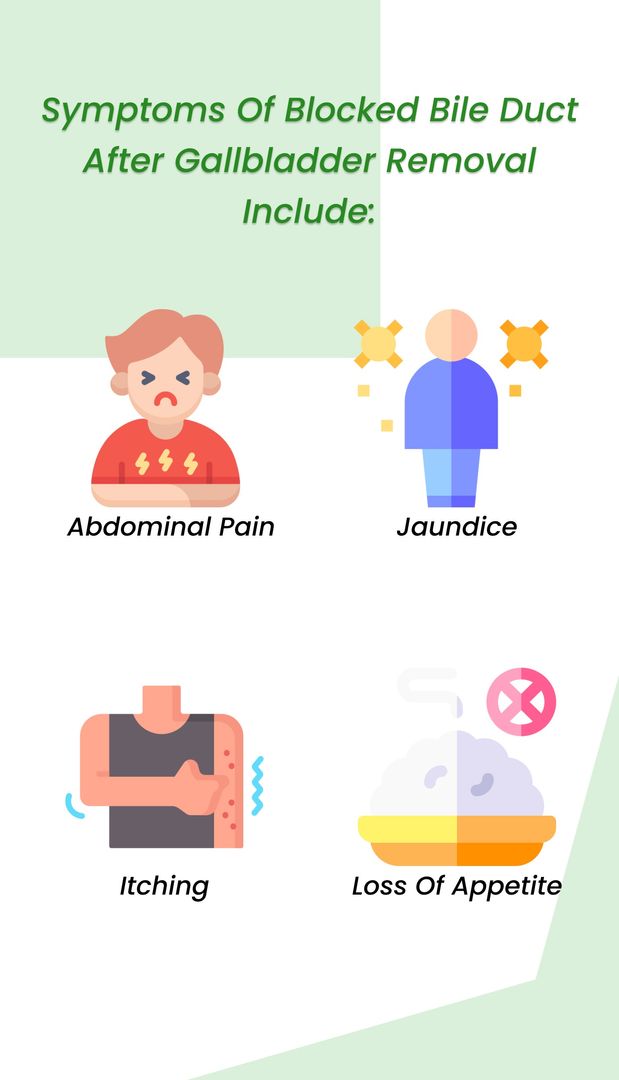
Symptoms Of Blocked Bile Duct After Gallbladder Removal - Infoupdate.org
Its main job is to break down fats into fatty acids so that they can be absorbed by your body through the digestive tract The primary digestive function of bile is to aid in the dispersion and digestion of fat in the lumen of the small intestine. Bile is stored in the gallbladder and is sometimes also called gall.
Bile is a liquid produced by the liver that helps your body digest fats from the food you eat
It is stored in the gallbladder and empties into your intestines during digestion. Bile is a fundamental and unique secretion of the liver After its secretion, bile is stored and concentrated in the gallbladder Lipids in the duodenum stimulate the release of cholecystokinin, which stimulates gallbladder.
Your biliary system moves bile through your digestive tract Learn about how it works, issues you may experience, and treatment options today. The biliary organs and duct system that creates, transports, stores, and releases bile into the duodenum for digestion includes the liver, gallbladder, and bile ducts (named the cystic, hepatic, common, and pancreatic duct). Bile contains many different substances, including bile salts, cholesterol, and bilirubin
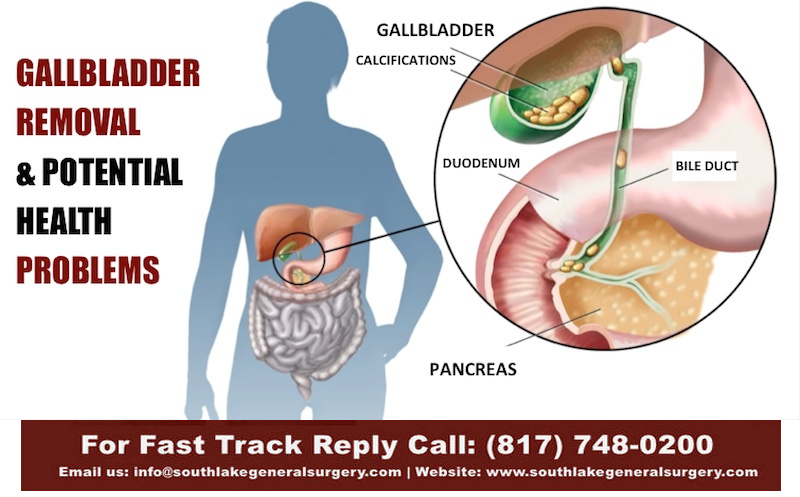
After a meal, the gallbladder pumps bile into the duodenum (the first part of the small intestine) to keep the intestine's contents at the appropriate ph for digestion, and to help break down fats.