Plant Sexual Or Asexual Private Collection Updates #950
Gain Access plant sexual or asexual premium content delivery. No hidden costs on our digital collection. Be enthralled by in a wide array of selections put on display in best resolution, excellent for elite watching lovers. With brand-new content, you’ll always keep abreast of. Find plant sexual or asexual themed streaming in fantastic resolution for a genuinely gripping time. Sign up today with our digital hub today to peruse special deluxe content with without any fees, no credit card needed. Get access to new content all the time and delve into an ocean of specialized creator content made for deluxe media admirers. Grab your chance to see never-before-seen footage—start your fast download! Enjoy the finest of plant sexual or asexual visionary original content with dynamic picture and members-only picks.
Plant reproductive system, any of the systems, sexual or asexual, by which plants reproduce Unlike animals, which almost exclusively reproduce sexually, plants have evolved diverse strategies to propagate, utilizing both sexual and asexual reproduction methods. In plants, as in animals, the end result of reproduction is the continuation of a given species, and the ability to reproduce is, therefore, rather conservative, or given to only moderate change, during evolution.
Modes of Reproduction in Plants - Asexual and Sexual Reproduction
Plants can reproduce and make new species that may or may not have the same genes as them Plants are both sexual and asexual Plant reproduction process either involves sexual reproduction or asexual reproduction, and both methods provide different genetic products
Sexual plant reproduction is where the genetic material (dna) of male and female organs in plants combine to make a new offspring
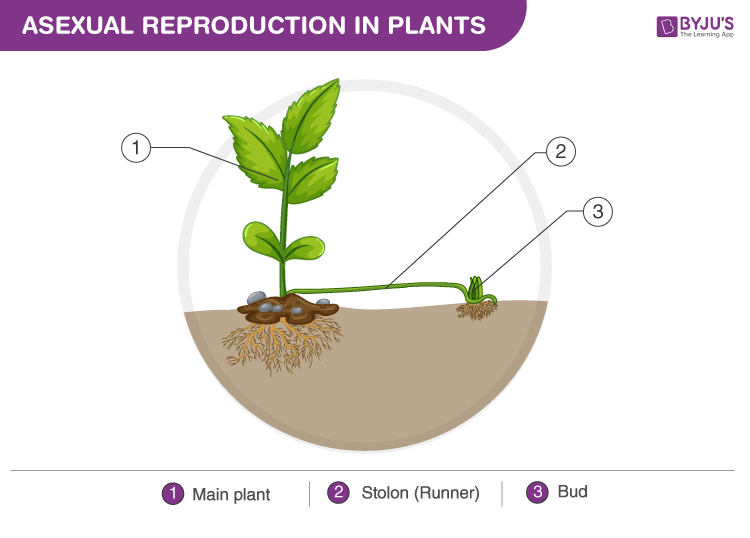
What is reproduction in plants Sexual and asexual reproduction discussed with the process, reproductive cycle, types, examples, and diagram These are categorised into two types (i) asexual, and (ii) sexual in asexual reproduction plants can give rise to new plants without seeds, whereas in sexual reproduction, new plants are obtained from seeds.
Asexual reproduction produces plants that are genetically identical to the parent plant because no mixing of male and female gametes takes place Traditionally, these plants survive well under stable environmental conditions when compared with plants produced from sexual reproduction because they carry genes identical to those of their parents. Plant growth and reproduction learning objectives differentiate between sexual and asexual reproduction in plants explain alternation of generations in ferns and contrast that to the life cycle of angiosperms (flowering plants) Describe the structure and function of the flower and the fruit within the angiosperm life cycle.